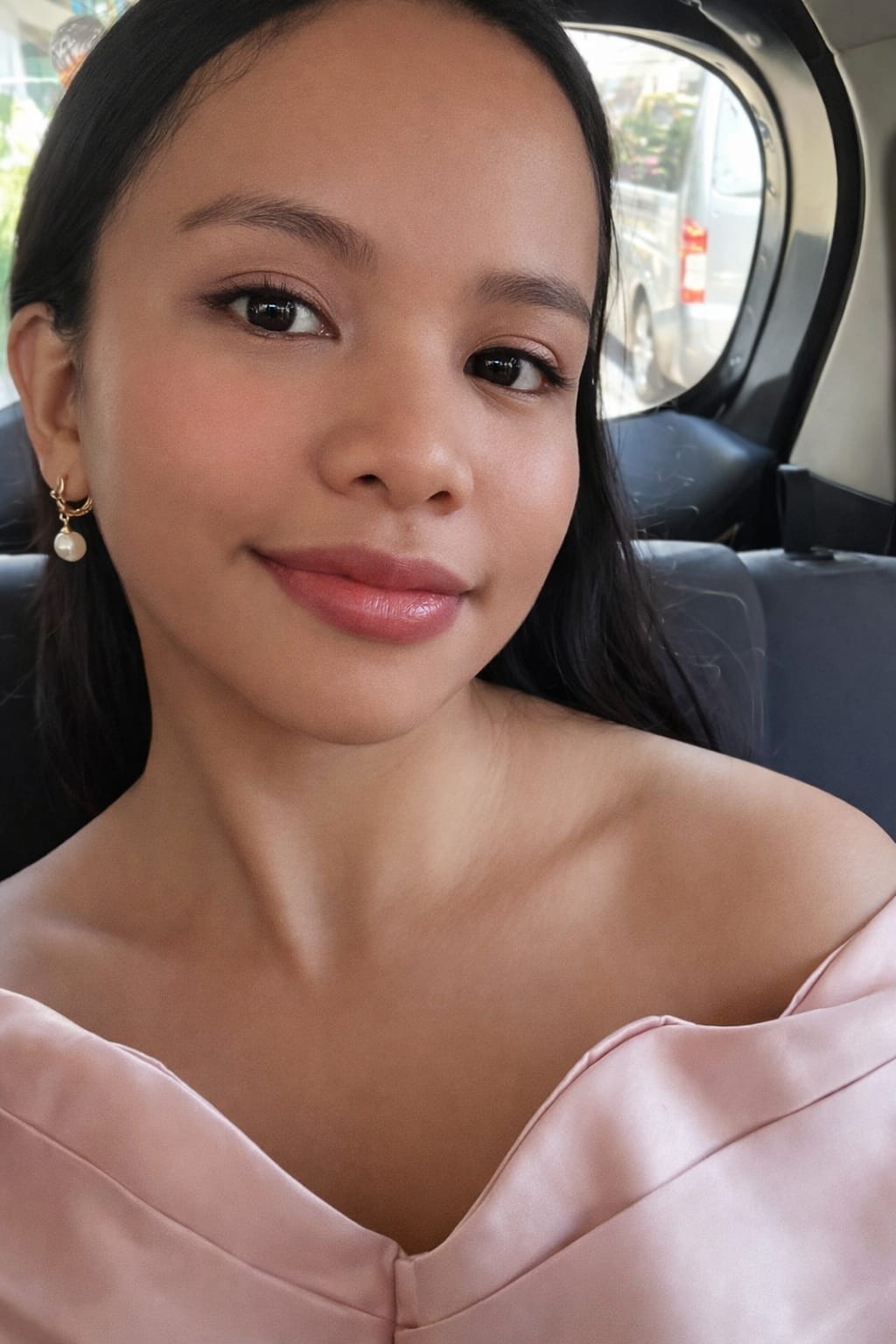
I didn't wait until I had the "right" skills, the right equipment, or the right age to start freelancing. I started with what I had, at 14, doing small online services most people wouldn't even call freelancing. That's the honest answer to how this began, and it's also the biggest thing I'd want another young freelancer, or a client wondering if I'm legit despite being a student, to understand.
Here's the real story, not the polished version.
It Started Before I Had Any Real Skills
I first heard about freelancing when I was 14. I wanted to start immediately, but I didn't have the resources most people assume you need: a laptop, formal training, a portfolio, connections. So instead of waiting, I looked at what was actually possible with what I had.
Back then, during the pandemic, I joined RPW or also known as a Role Play World, but I'm more on the side of selling. I offer small digital services: boosting accounts, liking photos, basic branding work like logos, cover photos, and edit some information they needed for their business like their payment method, pricing, and rules. It wasn't glamorous. It wasn't "real" freelancing by most definitions. But it was real work, real clients, and real money changing hands, and it taught me something most people don't learn until much later: that a service doesn't need to be sophisticated to have value. It just needs to solve someone's actual problem.
That was my first real exposure to the idea that I could offer something and get paid for it, on my own terms, without needing a "proper" job to do it.
My First Actual Paid Gig
My first real paid gig was video editing. I honestly don't remember the exact details, what it paid, who it was for, but I remember the feeling of it. It was proof that this wasn't just a 14-year-old's idea. It was something that could actually work.
That's usually how it goes for young freelancers. You don't remember your first gig because it's perfect or memorable. You remember it because it's the moment the idea stops being hypothetical.
The Real Challenge Wasn't Skill. It Was Balance and Belief.
Once freelancing became more consistent, and once I was juggling it alongside my BSCS coursework at PSU, the challenge shifted. It wasn't about whether I could do the work. It was about whether I could do the work, keep up with school, and believe I belonged in rooms with clients who were often older, more established, and running real businesses.
Time management was constant. Coursework doesn't pause because a client has a deadline, and clients don't pause because you have an exam. I had to learn to protect blocks of time for both, and to be honest with clients about my availability instead of overcommitting and burning out.
But the harder part was internal. Imposter syndrome doesn't ask if you're 19. It shows up regardless. The difference is that at 19, there's an extra voice asking "will they even take me seriously?" I had to work through that quietly, mostly by letting the work speak instead of trying to convince anyone with words.
The Turning Point: Realizing Freelancing Is a Business, Not a Job
The shift from doing scattered gigs to building what's now Seño Digital Studio didn't happen because I got better at any one skill. It happened while working with a client, when I realized I'd been treating freelancing like informal employment: doing whatever tasks were handed to me, priced however the client wanted, without a clear sense of what I actually offered.
That client relationship taught me something that changed everything: freelancing isn't a series of gigs. It's a business. And a business needs a position, not just a skillset. It needs to be clear about who it serves, what problem it solves, and why someone should choose it specifically.
A business needs a position, not just a skillset. It needs to be clear about who it serves, what problem it solves, and why someone should choose it specifically.
That's where the idea of being a "Digital Operations Partner" came from, not just someone who does web design, or someone who does virtual assistant tasks, or someone who edits videos, but someone who helps small businesses and coaches build the digital foundation they need to grow, across all of it. Niching down into that position, instead of staying a generalist doing whatever came my way, was the actual unlock. It's also what led to longer-term, more serious client relationships, including the ongoing project work I now do with SMB-Integrator.
What I'd Want You to Take From This
If you're a young freelancer waiting to feel "ready" before you start: you don't need to be ready. I started at 14 with boosting services and basic photo edits, not because that was impressive, but because it was available to me at the time. Every real skill I have now was built after I started, not before.
If you're a potential client wondering whether someone my age can actually deliver: age was never the variable that mattered. What mattered was learning to treat this as a business early, getting clear on what I actually offer, and showing up consistently for the people I work with. That's the same standard any professional should be held to, regardless of how old they are.
Freelancing young in the Philippines, especially while still in school, isn't a straight line. It's built gig by gig, lesson by lesson, until eventually you're not just doing freelance work anymore. You're running something.